Vaccine Carriers Recycling
Vaccine Carriers Recycling
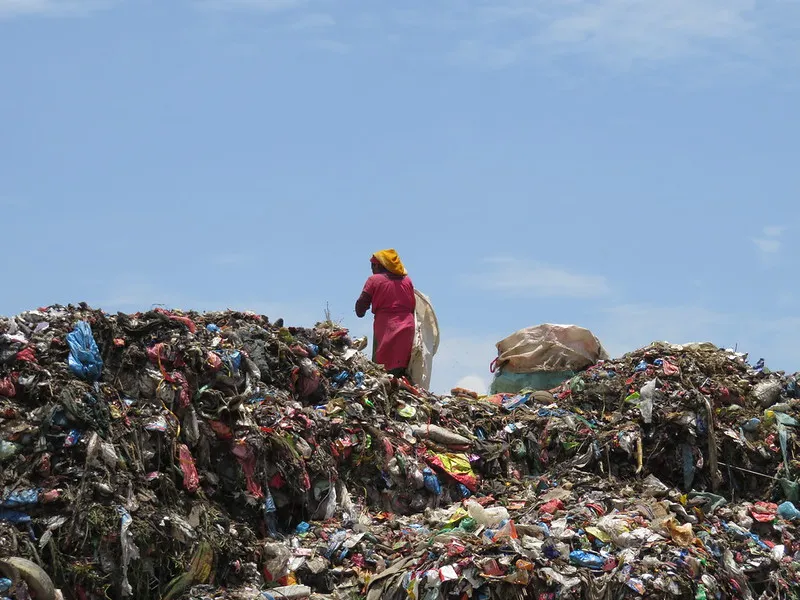
The baseline assessment reveals a significant lack of awareness and behavioral inertia among communities and stakeholders regarding plastic waste management and circular economy practices. Despite the growing environmental burden of plastic pollution, public knowledge about waste segregation, recycling processes, and the broader value of circularity remains minimal. This gap in awareness is reinforced by deeply rooted behavioral patterns, where improper disposal and open burning of plastics are normalized due to decades of limited infrastructure and inadequate environmental education. Compounding these challenges is the noticeable absence of local initiatives and leadership to champion sustainable waste practices, leaving communities without clear direction or role models for behavioral change. Furthermore, the lack of basic infrastructure—such as waste collection systems, material recovery facilities, and formal recycling units—significantly limits the feasibility of proper waste handling, even among those who are willing to change. Informal waste workers, who are vital to this ecosystem, often operate without training, protective equipment, or access to formal markets. These behavioral and infrastructural barriers must be addressed through integrated interventions that combine education, capacity building, localized leadership, and investment in physical infrastructure to foster long-term change and achieve project goals around recovery, innovation, and inclusive livelihoods.